12 Classic Jungian Archetypes: A Simple Introduction
For education and self-reflection only — not medical, psychological, or psychiatric advice. If you're in distress, please talk to a licensed professional. Full disclaimer.
TL;DR
What we actually know is this: archetypes aren’t boxes you sort yourself into. They’re patterns the human psyche keeps reaching for, across cultures and centuries, because they solve recurring problems—how to belong, how to act, how to love, how to make meaning. Carl Jung described the underlying layer—the collective unconscious—in the early twentieth century. The specific list of twelve was popularized in the 1990s by brand strategists Margaret Mark and Carol Pearson, who applied Jung’s broader idea to a workable marketing and self-development framework. A useful read, with one caveat: every archetype has a bright and a dark side, and the dark side is usually the one you don’t recognize in yourself. That’s where the work is.
What an archetype actually is
Carl Jung believed that beneath individual personalities lie universal patterns—archetypes—shared by all humans across cultures and time. These archetypes live in what Jung called the collective unconscious, shaping how we think, feel, and act without us always noticing. They show up in mythology, in fairy tales, in the characters we keep rooting for, and in the dreams we keep having.
A few things worth knowing before the list:
- An archetype isn’t a label. It’s a pattern of energy—a way of moving through the world. Most people carry two or three dominant ones, and they shift over a lifetime.
- There’s a shadow side to every one. The same energy that helps you rescue a friend can become martyrdom. The same drive that makes you build a business can become tyranny. The list below names both.
- The twelve are a working set, not a final taxonomy. Jung himself was more interested in the underlying four-function typology (thinking, feeling, sensing, intuition) and in recurring symbols. The twelve come from later writers, and they’re useful as a vocabulary, not a verdict.
Here are the 12, grouped into four categories. Read through them and notice which feel familiar. That recognition is the first step toward understanding yourself at a deeper level.
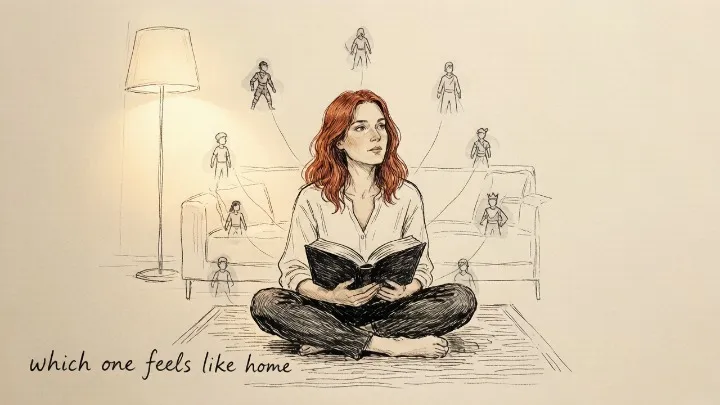
The Ego Types — Driven by a Need for Structure and Control
1. The Innocent
The Innocent seeks happiness, safety, and simplicity. They believe the world is fundamentally good and that things will work out. Their gift is optimism—the ability to lift the mood of a room and to find the silver lining without falsifying the situation. Their blind spot is naivety, which can shade into denial: avoiding harsh truths because they threaten the sense of peace, or trusting people who have already given clear evidence not to be trusted.
Motto: “Life is good.” Healthy: faith, trust, simple joy. Shadow: denial, wishful thinking, refusing to name a problem until it names them.
2. The Orphan (Everyman)
The Orphan understands that life is hard and that connection is survival. They value belonging, realism, and solidarity with ordinary people. Their gift is empathy—they can stand in another person’s shoes without first having to be the main character of the story. Their blind spot is cynicism: expecting disappointment so they won’t be hurt by it, and quietly assuming that anyone who has something they want must have cheated to get it.
Motto: “All people are created equal.” Healthy: groundedness, solidarity, common decency. Shadow: resentment, learned helplessness, the comfort of being unimpressed.
3. The Hero
The Hero believes in rising to the challenge. They are disciplined, courageous, and driven to prove their worth through action. Their gift is competence—the ability to take on something that scares them and finish it anyway. Their blind spot is arrogance: assuming they must do everything alone, that asking for help is weakness, or that the only way to matter is to win.
Motto: “Where there’s a will, there’s a way.” Healthy: courage, perseverance, disciplined action. Shadow: compulsive competition, burnout, mistreating vulnerability in others.
4. The Caregiver
The Caregiver is driven by compassion and a deep need to protect others from harm. They express love through service and sacrifice. Their gift is generosity—the willingness to show up for someone in the ugly middle of a problem, not just at the start. Their blind spot is martyrdom: giving until there’s nothing left of themselves, and then resenting the people they gave to. The unspoken contract is the most common form this takes.
Motto: “Love your neighbor as yourself.”
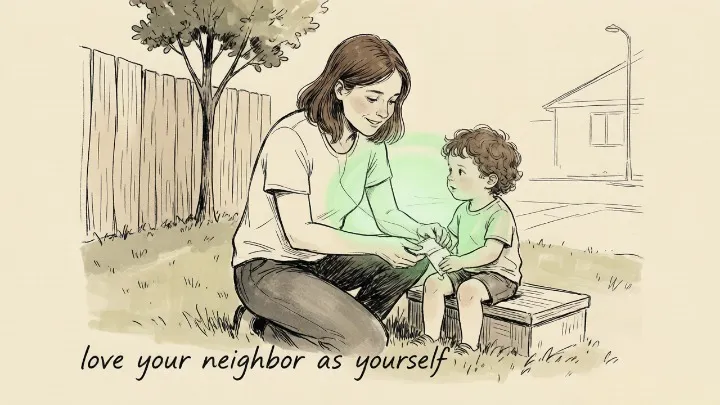
Healthy: nurturing, dependable presence. Shadow: controlling care, guilt-driven help, the slow disappearance of self behind the role.
The Soul Types — Driven by a Need for Connection and Meaning
5. The Explorer
The Explorer craves freedom, adventure, and authenticity. They fear being trapped—by routine, by expectation, by a life that feels too small. Their gift is independence—the willingness to leave a settled life if it’s stopped fitting. Their blind spot is restlessness: always seeking the next horizon, never arriving, never allowing roots to grow anywhere. Wanderlust is not the same as wisdom.
Motto: “Don’t fence me in.”
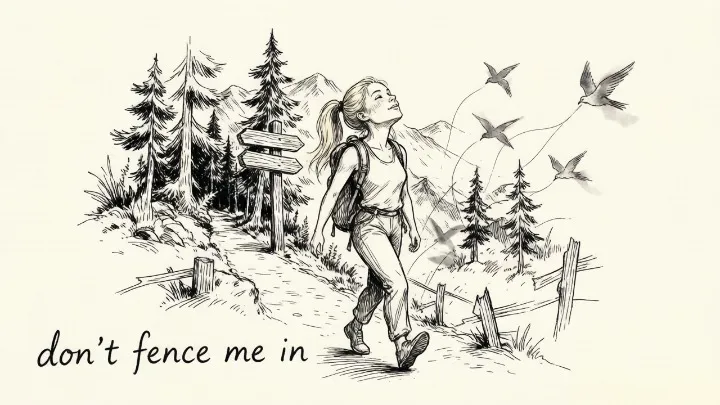
Healthy: self-trust, curiosity, the courage to live your own shape. Shadow: chronic dissatisfaction, the inability to commit, mistaking motion for meaning.
6. The Rebel (Outlaw)
The Rebel challenges systems they see as broken or unjust. They are disruptive, passionate, and unafraid of conflict. Their gift is transformation—the willingness to name the lie that everyone has agreed to live inside. Their blind spot is destruction: tearing things down without knowing what to build in their place, and finding that chaos is its own kind of trap.
Motto: “Rules are meant to be broken.” Healthy: principled dissent, edge, catalytic change. Shadow: nihilism, contrarianism for its own sake, leaving wreckage behind without an apology.
7. The Lover
The Lover seeks intimacy, beauty, and deep connection—with people, with art, with life itself. They are tuned to the textures of experience, to the unspoken signals in a room. Their gift is passion—the willingness to feel things fully and to bring that depth into what they make and who they love. Their blind spot is losing themselves in the object of their desire, forgetting that love must include the self. People with strong Lover energy are at risk of staying too long in relationships that aren’t feeding them.
Motto: “You’re the only one.” Healthy: sensuality, presence, deep connection. Shadow: obsession, jealousy, an inability to be alone without feeling empty.
8. The Creator
The Creator is driven to bring something new into existence—art, ideas, structures, businesses. They fear mediocrity and stagnation. Their gift is imagination—the ability to see a thing that doesn’t yet exist and to make the moves to bring it into being. Their blind spot is perfectionism, which is often a fear of being seen as anything less than the imagined ideal. The unfinished project can become a quiet kind of prison.
Motto: “If you can imagine it, you can create it.” Healthy: vision, craft, generative persistence. Shadow: perfectionism, never-satisfied self-criticism, the inability to ship.
The Self Types — Driven by a Need for Knowledge and Truth
9. The Jester
The Jester finds truth through humor. They use play, wit, and irreverence to say what others are afraid to say. Their gift is perspective—the ability to deflate pretense and to name the emperor’s new clothes in a way that the emperor can sometimes even laugh at. Their blind spot is hiding pain behind laughter. The joke is usually the cleanest way to say something, and a Jester can use that to never say it directly. If everyone in your life thinks you’re funny and nobody knows what’s actually hurting, the Jester is probably running the show.
Motto: “You only live once.” Healthy: levity, honesty, the grace to not take oneself too seriously. Shadow: deflection, pain-disguised-as-bit, the long loneliness of being funny in a room of strangers.
10. The Sage
The Sage seeks wisdom, not just information. They believe that understanding the truth will set you free—and they pursue that truth with discipline and depth. Their gift is insight—the ability to sit with a question for as long as it takes, and to listen more than they speak. Their blind spot is detachment: studying life instead of living it, mistaking the map for the territory. A person with strong Sage energy can know a great deal about love, for instance, and still not be very good at it.
Motto: “The truth will set you free.”
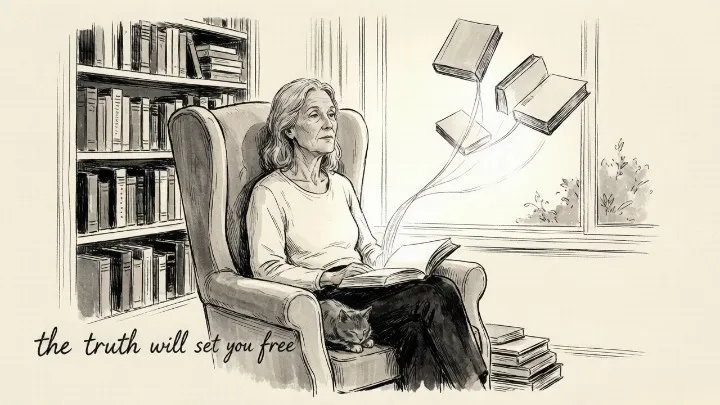
Healthy: wisdom, perspective, the long view. Shadow: analysis paralysis, coldness, knowing-it-all-but-living-nothing.
11. The Magician
The Magician believes in transformation—that reality can be changed through knowledge, vision, and will. They see connections others miss, and they tend to be the person in a group who can find a way through when everyone else has given up. Their gift is vision, in both senses: the imaginative and the practical. Their blind spot is manipulation—using their understanding to control rather than to serve. A Magician who loses their ethics can become the most dangerous person in the room because they understand everyone else so well.
Motto: “I make things happen.” Healthy: vision, healing, catalytic change. Shadow: manipulation, the quiet certainty that they know what’s best for everyone.
The Order Type — Driven by a Need for Stability and Legacy
12. The Ruler
The Ruler seeks order, control, and prosperity—not for selfish gain, but to create a stable world where people can thrive. Their gift is leadership—the ability to hold a frame, make a decision when no one else will, and take responsibility for what happens next. Their blind spot is rigidity: believing their way is the only way, and losing touch with the people they lead. The Ruler’s shadow is the tyrant, and the slide from one to the other is often quiet.
Motto: “Power isn’t everything. It’s the only thing.”

Healthy: responsible authority, the creation of structures that outlast them. Shadow: control, rigidity, the slow corruption of leadership into self-service.
Which one resonates? And what to do with the one that doesn’t
Most people identify with two or three archetypes, not just one. The ones that feel familiar are usually your dominant patterns. The ones that make you uncomfortable—those are often the ones worth examining more closely. Jung called this shadow work: facing the parts of yourself you’ve been avoiding. The shadow work guide is the long version of that practice. The short version is in our piece on what Jung really meant by projection—the same idea approached from the other door.
If you’re interested in the deeper Jungian theory underneath these twelve—the collective unconscious, the shadow, the anima/animus—our Carl Jung and the Shadow Self piece walks through that material in a longer form. For a different angle on the same territory, the tarot’s Major Arcana maps surprisingly well onto the same twelve patterns; our tarot archetypes primer is a good entry point.
A short, practical exercise
The framework is more useful as an inner exercise than as a personality quiz. Try this in twenty quiet minutes:
- Re-read the twelve descriptions above. For each, ask: who in my life embodies this? Write down the first name that comes to mind, even if it’s yourself.
- Look at the names that surprised you. The one that took longest to answer is the one your system is least comfortable with. Note which archetype that points to.
- For that archetype, write two sentences: what’s the gift in this pattern? And what’s the cost? Both, honestly.
- Pick one small thing this week that would let you practice the gift of that archetype without falling into the cost. Five minutes of it is enough.
This isn’t a quiz with a result. It’s a mirror. The point isn’t to label yourself; it’s to widen the territory you can move in. A person with strong Hero energy who has practiced even a little of the Caregiver’s gift becomes a more useful friend, partner, and leader. A person with strong Sage energy who has practiced the Jester’s lightness becomes easier to be around in a crisis.
If you’d like a sounding board for what you found—someone to talk it through with in real time—the Kasamba psychic reading category collects live advisors who work in this exact territory of self-reflection. Use them as a mirror, not a verdict.
FAQ
Is there a definitive test that will tell me my archetype? No. There are many commercial quizzes—Pearson’s, the Hero/Outlaw, the various brand-strategy tools—but they’re orientation aids at best. A good test will give you a place to start looking. It will not give you a final answer. The most useful “test” is sustained reflection over months, ideally with another thoughtful person or a therapist.
Do the twelve fit everyone across cultures? Roughly, yes, though the order of dominance shifts. Margaret Mark and Carol Pearson’s research in the 1990s drew on brand-archetype research across many cultures, and the patterns hold up reasonably well in Western, East Asian, and Latin American samples. The 12 are not the only useful set—Joseph Campbell’s Hero with a Thousand Faces identifies fewer patterns that are deeper and older, and the Enneagram uses a different nine.
What if I don’t relate to any of them? That’s data too. People who don’t relate to any single archetype often have unusually strong integration—they’ve developed access to several of the patterns and don’t identify with one to the exclusion of others. This is sometimes called “high self differentiation” and it’s a long-term goal of the framework, not a failure to find an answer. It can also be a sign that the framework isn’t the right map for you right now. Different maps work at different times. The 12 are tools, not tests of authenticity.
Can you have the shadow of an archetype you don’t identify with? Yes—and this is one of the most useful insights in the whole framework. The shadow of the archetype you reject is often the one that’s running your life. People who loudly claim they have no Caregiver energy are sometimes being unconsciously cared for by everyone around them. People who insist they’re not The Hero can still be running their whole life on the Hero’s rule book. The rejection is often the tell.
How does this connect to the tarot? Better than it should, and the connection has been noticed for at least a century. The Fool’s Journey through the Major Arcana maps almost one-to-one onto the twelve archetypes’ trajectory from innocence to integration. Our tarot archetypes piece covers the crosswalk in detail.
Is this psychology, or is it pop culture? Both, with the line clearly drawn. Jung’s underlying theory is taken seriously in analytical psychology and in some streams of contemporary psychotherapy, especially those that work with active imagination, dream work, and parts work (like Internal Family Systems). The 12-archetype set is a later popularization. It is more useful as a vocabulary than as a clinical instrument. If you find yourself in a difficult place, a trained therapist is worth more than any framework.
We’re developing a more precise AI-powered archetype assessment tool. Until it’s ready, start by reading through the descriptions above. Notice which archetype feels like home—and which one makes you want to look away. That second one is probably worth exploring.
Archetypes developed from the work of Carl Jung (1875–1961); the 12-archetype framework was popularized for general audiences by Margaret Mark and Carol Pearson in The Hero and the Outlaw (2001). For a deeper look at the Jungian theory underneath, see Carl Jung and the Shadow Self. For the tarot parallel, see tarot archetypes primer. For shadow work practice, see the shadow work guide.